When you think of a pamper hamper, you picture plush blankets, cute baby toys, and perhaps a jar of organic jam. In Australia, these hampers are a beloved gift for new parents, but they can also be a minefield of hidden allergens. If you’re buying or receiving a hamper, it’s worth knowing how to handle allergic reactions to items in an Australian pamper hamper. This guide will walk you through spotting early signs, preventing surprises, and acting fast if a reaction occurs—so the gift stays a joy, not a jolt.
Understanding the Allergy Landscape in Pamper Hampers
Common Allergens in Australian Pamper Hampers
Allergies in babies and toddlers often stem from everyday items. Below are the most frequent culprits you’ll find in a typical Australian pamper hamper:
- Latex in rubber toys or bandages Fragrances in scented lotions or soaps Dairy in chocolate‑flavoured snacks Pollen residues on plush toys or fabrics Preservatives in food items like dried fruit Nickel in metal buttons or zipper pulls
Knowing these helps you choose wisely and avoid a rash‑induced ruckus.
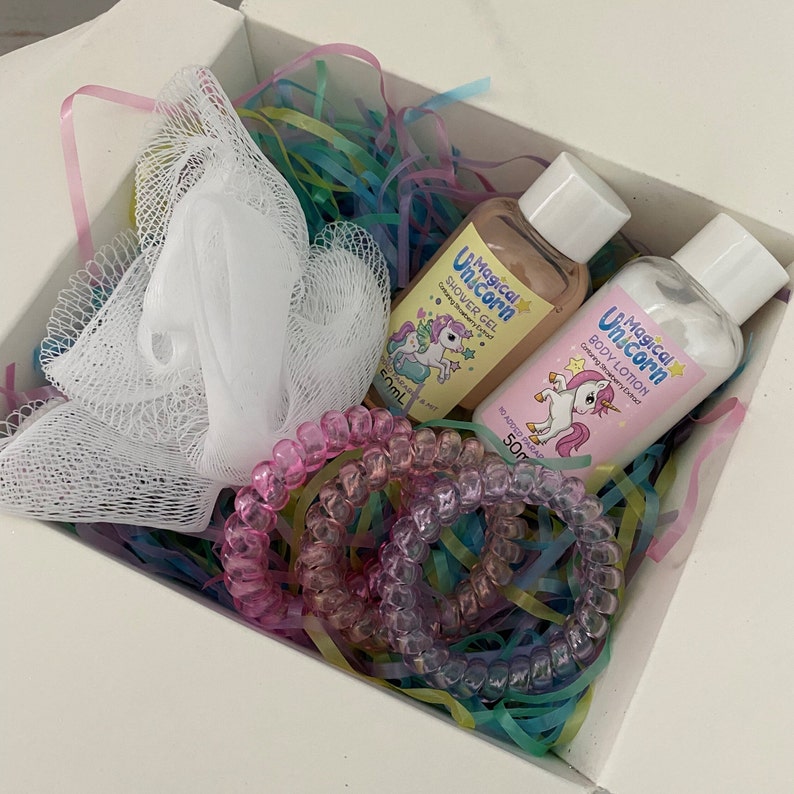
Why Allergic Reactions Matter
Allergic reactions can range from mild hives to severe anaphylaxis. A single exposure might trigger swelling, breathing difficulties, or an upset stomach. When a child is still developing their immune system, even a minor reaction can feel like a storm on a sunny day. “Allergies can turn a simple gift into a crisis,” says Dr. Jane Doe, allergist in Sydney. “Early recognition and quick action are key.”
Spotting the Early Warning Signs
Physical Symptoms to Watch For
A rash may appear as red, itchy bumps, but other symptoms can sneak up:
- Swelling of lips, face, or hands Itching without visible rash Difficulty breathing or wheezing Gastro‑intestinal upset such as vomiting or diarrhea Rapid heartbeat or dizziness
If you notice any of these, treat them as seriously as you would a fever.
When to Seek Medical Help
Ask yourself: “What if the reaction escalates?” If the child shows signs of breathing trouble, swelling of the throat, or a sudden drop in alertness, call emergency services immediately. Even mild symptoms that persist beyond 24 hours warrant a pediatrician visit.
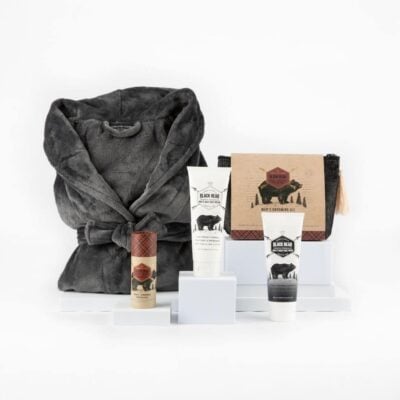
Prevention is Better Than Cure
Choosing Hypoallergenic Products
Start with products labelled “hypoallergenic” or “fragrance‑free.” Australian manufacturers often offer a range of baby‑friendly items that minimise allergen exposure. Look for:
- Silicone toys instead of latex Unscented lotions and soaps Dairy‑free snacks
When in doubt, opt for the simplest, least processed items.
Label Reading: What to Look For
Labels can be your best friend. Key phrases to spot include:
- “No added fragrances” “Contains no latex” “Dairy‑free” “Preservative‑free”
Also check the ingredient list for hidden allergens like “wheat” or “soy,” which may not be obvious at first glance.
Emergency Response: Quick Fixes When a Reaction Happens
First‑Aid Kit Essentials
A well‑stocked first‑aid kit can make all the difference. Keep these items handy:
- Antihistamine tablets (e.g., Benadryl) Epinephrine auto‑injector (if prescribed) Sterile gauze and adhesive tape Hand‑held fan for cooling Cool compress
If you’re unsure whether your child needs an Visit this site epinephrine auto‑injector, discuss it with their pediatrician.
Step‑by‑Step Action Plan
When a reaction occurs, follow these steps:
Stop exposure – remove the offending item immediately. Assess severity – check breathing, swelling, and consciousness. Administer medication – give antihistamine if mild; use epinephrine if severe. Seek medical care – call 000 for emergencies or go to the nearest hospital. Document – note what triggered the reaction for future reference. Remember, “time is of the essence,” and a calm, methodical approach can keep the situation under control.Beyond the Hamper: Long‑Term Strategies for Allergy‑Friendly Parenting
Building a Safe Gift List
Create a shared list of approved items for friends and family Locally made pamper hampers to reference. Include:
- Allergy‑free snack options Latex‑free toys Fragrance‑free personal care products
Having a go‑to list reduces the risk of accidental allergens slipping into future gifts.
Educating Givers and Givers
Share your knowledge with gift‑givers. A quick note or a short conversation can save a lot of trouble. Use simple language: “We’re allergic to latex and fragrances—could you double‑check before gifting?” It’s like giving them a safety map for the gift‑giving journey.
The Perfect Gift Awaits: Making Your Selection Count
Choosing a pamper hamper that’s both thoughtful and safe is a win‑win. By understanding the allergy landscape, spotting early signs, preventing exposure, and being prepared for emergencies, you can ensure that the gift remains a celebration rather than a scare. Think of allergies as hidden reefs beneath calm waters—aware of them, you can navigate safely.
Ready to pick the perfect hamper? Start by checking labels, asking questions, and keeping a first‑aid kit nearby. Your gift will be a treasure chest of joy, not a box of potential hazards. And remember, a well‑planned hamper is the best gift you can give—one that says, “I care about you, and I’ve thought about your safety.”